

Meta Description: Discover practical, beginner-friendly tips for traveling with kids without the stress. Learn how to plan, pack, entertain children, handle meltdowns, and create unforgettable family memories with this complete guide.
How to Travel with Kids Without Losing Your Mind
Traveling with children is one of life’s greatest adventures. Whether you’re planning your first family vacation or preparing for another trip with little ones, it’s natural to feel both excited and nervous. Kids bring energy, curiosity, and unforgettable moments to every journey—but they also bring unexpected challenges that can quickly turn a dream vacation into a stressful experience if you’re unprepared.
The good news is that family travel doesn’t have to be chaotic. The secret isn’t having perfectly behaved children or an unrealistic itinerary. It’s about planning wisely, setting realistic expectations, and learning how to adapt when things don’t go exactly as planned.
Every experienced parent has stories about delayed flights, forgotten toys, spilled drinks, missed naps, and unexpected tantrums. These moments happen to almost every family. What separates enjoyable family vacations from exhausting ones isn’t luck—it’s preparation and mindset.
This comprehensive guide will walk you through practical, beginner-friendly strategies to help you travel confidently with children of all ages. Whether you’re taking a weekend road trip, flying internationally, or exploring a new city, these tips will help you stay organized, reduce stress, and focus on what truly matters: creating lasting memories together.
Why Traveling with Kids Feels So Challenging
Before learning how to make travel easier, it helps to understand why it can feel overwhelming.
Children thrive on routine. They know when it’s time to eat, sleep, play, and relax. Traveling disrupts nearly all of those routines. Suddenly they’re sleeping in unfamiliar beds, eating different foods, spending hours sitting still, and meeting new people.
At the same time, parents face additional responsibilities:
- Managing passports and travel documents
- Carrying luggage
- Keeping children safe in unfamiliar places
- Handling transportation
- Following schedules
- Finding suitable food
- Preventing boredom during long journeys
It’s no surprise that family vacations can feel exhausting.
However, once you accept that some level of unpredictability is normal, traveling becomes much less stressful. Instead of trying to control every situation, focus on preparing for the most common challenges.
Set Realistic Expectations
One of the biggest reasons parents become frustrated is expecting everything to go perfectly.
Family travel looks very different from traveling alone or as a couple.
You may visit fewer attractions.
You may spend extra time finding bathrooms.
Lunch might take twice as long.
Someone will probably need a snack every couple of hours.
These aren’t signs that your trip is failing—they’re simply part of traveling with children.
Rather than trying to squeeze ten activities into one day, aim for two or three enjoyable experiences. Children remember happy moments far more than packed schedules.
Lowering expectations often leads to a much happier vacation for everyone.
Choose the Right Destination
Not every destination is equally family-friendly.
Before booking your trip, ask yourself these questions:
- Is the destination safe for children?
- How long is the journey?
- Is healthcare easily available?
- Are there parks or open spaces nearby?
- Are family-friendly restaurants easy to find?
- Is public transportation convenient?
- Does the weather suit young children?
Destinations with interactive museums, beaches, nature parks, zoos, aquariums, playgrounds, and walkable neighborhoods usually provide a better experience than places that involve constant rushing between tourist attractions.
Remember that children often enjoy simple experiences just as much as famous landmarks.
Sometimes an afternoon at a local park creates better memories than standing in line for hours.
Book Family-Friendly Accommodation
Your accommodation becomes your temporary home, so choosing wisely makes a huge difference.
Instead of selecting the cheapest option available, consider features that make traveling easier.
Look for accommodations offering:
- Family rooms
- Kitchen or kitchenette
- Laundry facilities
- Free breakfast
- Elevator access
- Quiet surroundings
- Safe play areas
- Baby cribs if needed
- Swimming pool
- Grocery stores nearby
Having access to a small kitchen can save money while making meal times much easier, especially if your children have dietary preferences or allergies.
Vacation apartments and family suites often provide more comfort than standard hotel rooms because everyone has extra space to relax.
Plan Your Travel Around Your Child’s Schedule
Whenever possible, schedule travel during times that naturally work for your children.
For babies, this might mean traveling during nap time.
For toddlers, early morning departures may work better before they become tired.
Older children usually handle longer journeys better after a good night’s sleep.
Avoid planning long sightseeing days immediately after arriving.
Instead, allow everyone time to recover from travel before beginning major activities.
A slower first day often prevents unnecessary stress throughout the rest of the vacation.
Create a Flexible Itinerary
Many first-time parents make the mistake of planning every hour of every day.
While organization is helpful, overscheduling creates unnecessary pressure.
Instead, build your itinerary around one major activity each day.
For example:
- Morning: Visit a museum or attraction.
- Afternoon: Lunch and rest.
- Evening: Walk through a local market or enjoy dinner.
Leave empty spaces in your schedule for unexpected discoveries, longer naps, playground visits, or spontaneous adventures.
Children often need downtime just as much as adults.
Flexibility turns travel challenges into opportunities instead of disappointments.
Make Packing Simple and Organized
Packing for children doesn’t mean bringing your entire house.
Instead, focus on essentials while organizing everything into categories.
A practical packing checklist includes:
Clothing
- Comfortable outfits
- Pajamas
- Extra underwear
- Lightweight jacket
- Raincoat
- Comfortable walking shoes
- Hat
- Swimsuit (if applicable)
Hygiene
- Toothbrush
- Toothpaste
- Baby wipes
- Hand sanitizer
- Sunscreen
- Soap
- Shampoo
- Hairbrush
Health
- Prescription medications
- Basic first-aid kit
- Thermometer
- Pain relief medication (as appropriate)
- Motion sickness remedies (if recommended)
Entertainment
- Favorite toy
- Coloring books
- Crayons
- Books
- Downloaded movies
- Headphones
- Puzzle games
Important Documents
- Passports
- Identification
- Travel insurance
- Flight tickets
- Hotel confirmations
- Emergency contact information
Using packing cubes or labeled bags makes finding items much quicker during the trip.
Instead of unpacking everything every time you need one item, each category stays organized and easy to access.
Keep an Easily Accessible Travel Bag
One backpack should always stay within reach.
This “survival bag” should contain everything you may need during transportation.
Include:
- Snacks
- Water bottles
- Wet wipes
- Extra clothes
- Small towel
- Chargers
- Power bank
- Favorite comfort toy
- Plastic bags
- Tissues
- Hand sanitizer
- Travel documents
- Basic medications
Having these essentials nearby prevents stressful situations when you’re stuck on a plane, train, or long car ride.
You won’t need to search through multiple suitcases just to find a clean shirt or a packet of wipes.
Dress Everyone Comfortably
Fashion should take a back seat during travel days.
Choose soft, breathable clothing that allows children to move comfortably.
Dress in layers so everyone can adjust to changing temperatures in airports, airplanes, cars, or different climates.
Comfortable walking shoes are essential.
Children who are physically comfortable are far more likely to stay happy throughout the journey.
Likewise, parents should prioritize comfort over style. You’ll be carrying bags, lifting children, and walking long distances, so practical clothing makes a noticeable difference.
Pack Snacks Like a Pro
If there’s one golden rule of traveling with kids, it’s this: never underestimate the power of snacks.
Children can become hungry quickly, and hunger often leads to crankiness, impatience, or full-blown meltdowns. Delays are common when traveling, whether you’re waiting for a flight, stuck in traffic, or standing in line at an attraction. Having snacks readily available can save the day.
Choose snacks that are easy to carry, nutritious, and don’t create a mess.
Some great travel-friendly options include:
- Fresh fruit like apples or bananas
- Grapes or berries in reusable containers
- Cheese sticks
- Crackers
- Rice cakes
- Granola bars
- Yogurt pouches
- Mixed nuts (for older children)
- Dried fruit
- Popcorn
- Whole-grain sandwiches
Bring more snacks than you think you’ll need. It’s better to return home with leftovers than find yourself searching for food in an unfamiliar place where options may be limited or expensive.
Keep Kids Entertained During the Journey
Long journeys are often the most challenging part of family travel.
Children naturally have shorter attention spans than adults, so expecting them to sit quietly for several hours isn’t realistic.
Instead, prepare a variety of activities that you can introduce throughout the trip.
Screen-Free Activities
- Coloring books
- Sticker books
- Puzzle books
- Storybooks
- Card games
- Travel-sized board games
- Magnetic toys
- Building blocks
- Journals for older children
Digital Entertainment
Technology can also be a helpful tool when used wisely.
Download entertainment before leaving home since internet access isn’t always available.
Consider downloading:
- Educational games
- Favorite movies
- TV episodes
- Audiobooks
- Children’s podcasts
- Music playlists
Remember to pack headphones that fit your child’s age and are comfortable for extended use.
A good strategy is to rotate between activities instead of giving children everything at once. Something that feels new after an hour can become exciting again.
Prepare for Flights
Flying with children often sounds intimidating, but a little preparation makes a huge difference.
Arrive Early
Families benefit from arriving at the airport well before departure. This allows time for:
- Security checks
- Bathroom visits
- Stretching
- Eating
- Last-minute diaper changes
- Letting children explore before boarding
Rushing through an airport increases stress for everyone.
During Takeoff and Landing
Changes in cabin pressure can make children’s ears uncomfortable.
To help reduce ear pain:
- Encourage drinking water.
- Offer milk for babies.
- Give older children chewing gum if age-appropriate.
- Use pacifiers for infants.
- Encourage swallowing or yawning.
These simple actions help equalize ear pressure.
Make Road Trips More Enjoyable
Road trips offer flexibility, but they require planning too.
Rather than driving for eight or ten hours straight, break the journey into smaller sections.
Try stopping every two or three hours.
During breaks:
- Stretch your legs.
- Visit playgrounds.
- Walk around.
- Eat snacks.
- Use restrooms.
- Let children burn off energy.
Even a fifteen-minute stop can completely change everyone’s mood.
If possible, plan your route around family-friendly rest areas or parks.
Don’t Skip Nap Time
Many parents try to maximize sightseeing by skipping naps.
Unfortunately, overtired children often become emotional and difficult to manage.
If your child normally naps during the day, try to protect that routine whenever possible.
Options include:
- Returning to the hotel
- Using a stroller
- Taking a scenic drive
- Planning quiet indoor activities
A rested child is much more likely to enjoy the rest of the day.
Expect Meltdowns—and Stay Calm
Even with perfect planning, meltdowns happen.
Children become overwhelmed by:
- Crowds
- Heat
- Hunger
- Noise
- Tiredness
- Excitement
- Waiting
When emotions run high, remember that your reaction often determines how quickly the situation improves.
Instead of raising your voice:
- Speak calmly.
- Move to a quieter location.
- Offer water or a snack.
- Give your child a hug if they want comfort.
- Acknowledge their feelings.
- Give them time to settle.
Children often mirror the emotional state of their parents.
Staying calm doesn’t eliminate every tantrum, but it usually prevents the situation from becoming worse.
Give Kids Small Responsibilities
Children enjoy feeling like active participants instead of passive passengers.
Depending on their age, they can:
- Carry a small backpack
- Help check boarding passes
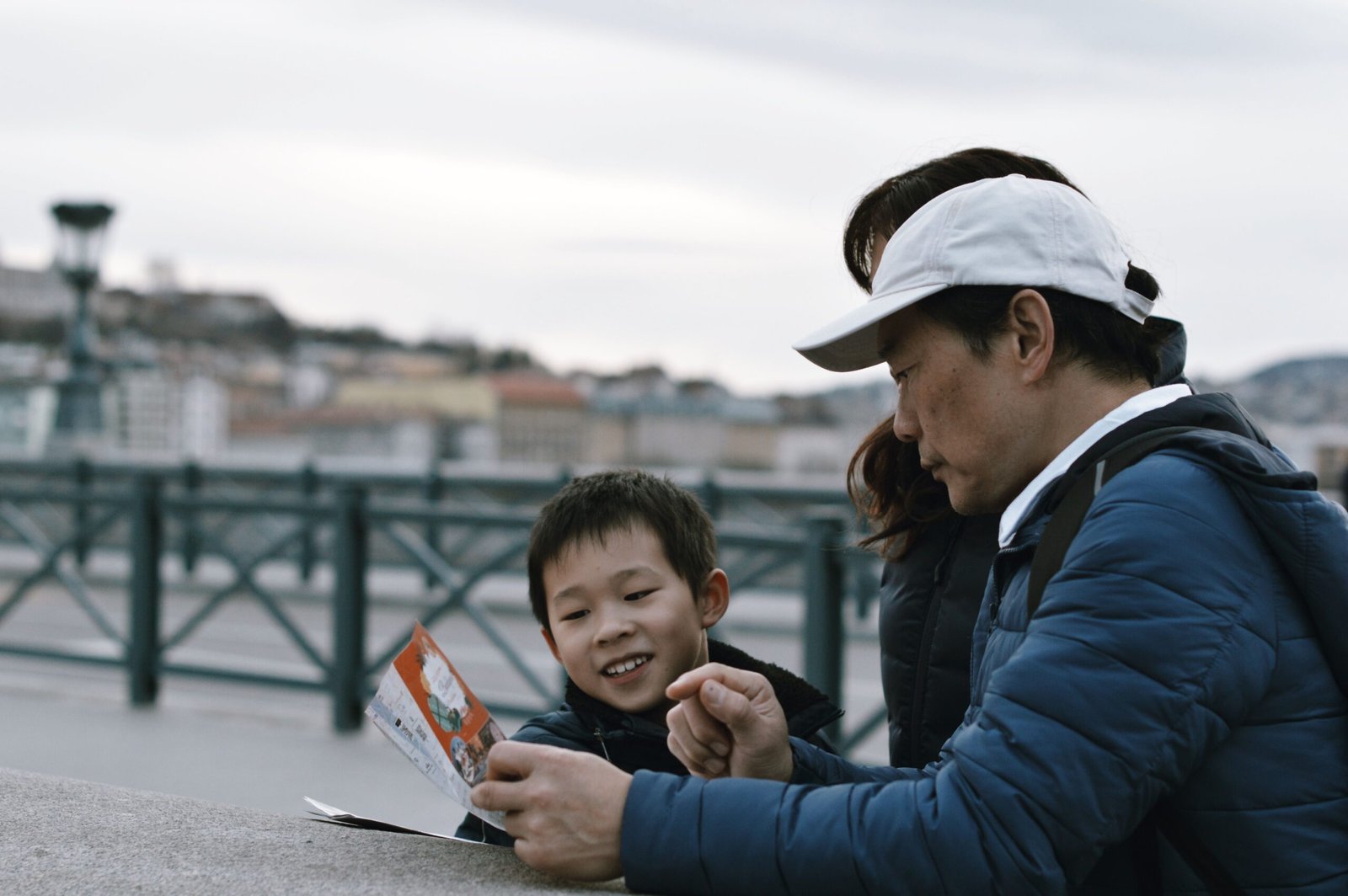
- Hold a map
- Choose between two snack options
- Take family photos
- Pack their favorite toys
- Help count luggage
These small responsibilities build confidence while reducing boredom.
Children who feel involved are often more cooperative throughout the trip.
Build Downtime Into Every Day
One common mistake families make is trying to visit every attraction in a destination.
Adults may enjoy constant sightseeing, but children need regular breaks.
Schedule downtime every afternoon if possible.
Ideas include:
- Swimming at the hotel
- Reading together
- Visiting a playground
- Quiet coloring time
- Watching a short movie
- Relaxing at a café
Rest periods recharge everyone and make the next activity more enjoyable.
Remember, vacations aren’t competitions.
It’s perfectly okay if you don’t see every famous landmark.
Be Flexible With Your Schedule
Travel rarely goes exactly according to plan.
Flights get delayed.
Weather changes.
Restaurants close unexpectedly.
Children suddenly become tired.
Instead of viewing these moments as disasters, treat them as part of the adventure.
Some of the best family memories come from unexpected experiences:
- Finding a hidden beach.
- Discovering a local market.
- Watching street performers.
- Enjoying an unplanned picnic.
Flexibility helps transform disappointments into opportunities.
Prioritize Safety Everywhere
Safety should always come before convenience.
Teach children basic travel safety before leaving home.
Important rules include:
- Stay close to parents.
- Learn your full name.
- Memorize a parent’s phone number if age-appropriate.
- Know what to do if separated.
- Never leave with strangers.
Additional safety tips:
- Carry a small first-aid kit.
- Use child identification bracelets if appropriate.
- Take a photo of your child each morning to document their clothing.
- Keep emergency contacts easily accessible.
- Store digital copies of passports and important documents.
These simple precautions provide peace of mind throughout your journey.
Balance Activities for Everyone
Parents sometimes plan vacations entirely around children—or entirely around adults.
The happiest trips usually include both.
For example:
- Spend the morning at a children’s museum.
- Enjoy lunch at a restaurant everyone likes.
- Visit a scenic viewpoint in the afternoon.
- End the day with ice cream or a local park.
When every family member has something to look forward to, everyone enjoys the experience more.
Remember Why You’re Traveling
It’s easy to become so focused on schedules, reservations, and logistics that you forget the purpose of the trip.
Family travel isn’t about creating a perfect social media post.
It’s about:
- Laughing together.
- Exploring new places.
- Trying new foods.
- Learning about different cultures.
- Building stronger relationships.
- Creating memories your children will remember for years.
The spilled juice, delayed flight, or unexpected rainstorm probably won’t matter in the future.
The shared adventures will.